Bridging Islamic Scholarship & Modern Academia
Islami Academy Trust was established in 2005 to facilitate higher studies in Islamic disciplines for hundreds of talented students from both College and Madrasa backgrounds across India.
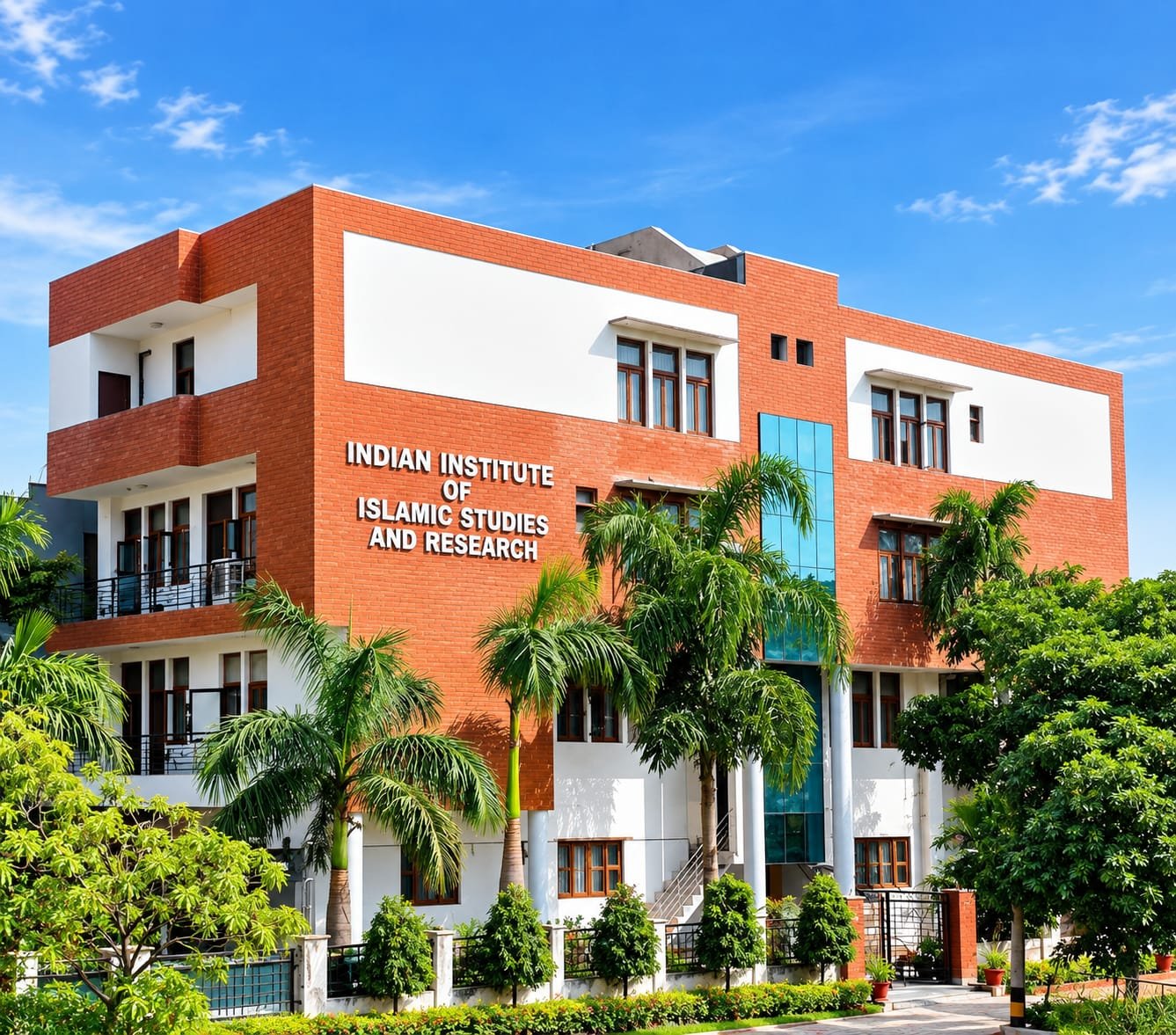
The Academy aims to improve the standards and prospects of higher education within the community and facilitate research in Islamic studies deeply rooted in the unique context of Indian society, religions, cultures, traditions, and history. To focus its dedicated efforts on higher education, the Trust launched the Indian Institute of Islamic Studies and Research (IIISR) in 2016.
In Indian society, religious seminaries (Madaris) and modern collegiate universities often function in isolation. IIISR actively bridges this divide by bringing graduates together through rigorous lectures, seminars, academic assignments, and mutual dialogue—removing intellectual deficiencies and cultivating independent research capabilities.
"Development of Human Knowledge, Consciousness & Tazkiyah"
"The Indian Institute of Islamic Studies and Research (IIISR) is a specialised institute for higher education and research. Our goal is to prepare a new generation of young people for the development of human knowledge and consciousness, especially in the field of social sciences, in the light of the divine guidance of the Quran and Sunnah. Developing an Islamic environment for Tazkiya (purification of the self) and the overall development of students is our foremost priority.
Madaris are usually run on the basis of Maslak (sectarian orientation), but at IIISR, students from different Madaris and Masalik (sects) learn together and engage in a meaningful dialogue."
Board of Trustees & Directorate
Eminent academicians and senior researchers guiding institutional policies and academic benchmarks.
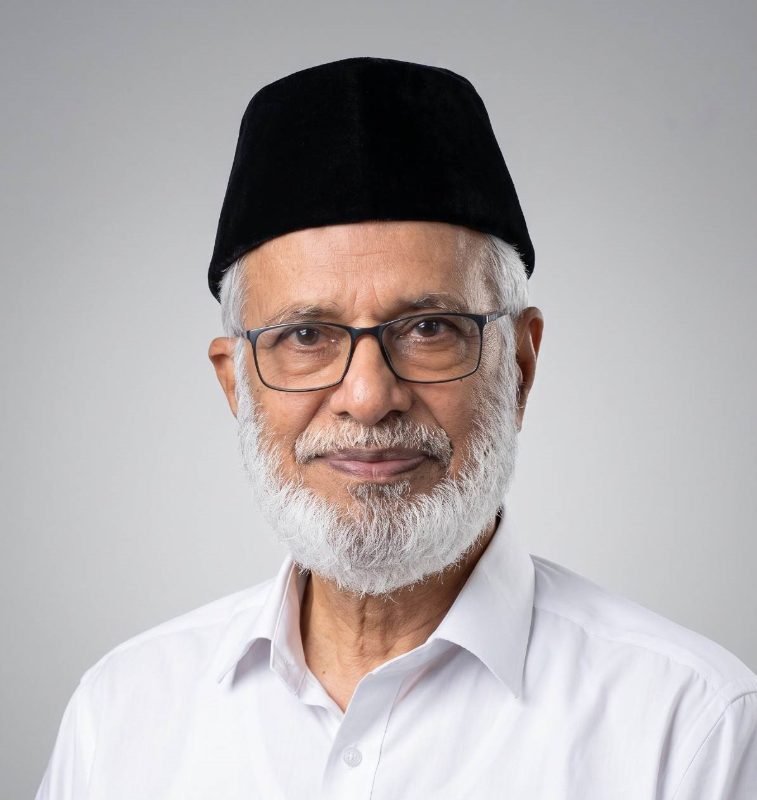
Dr. Hasan Raza
Chairman, Islami Academy Trust & IIISRSenior scholar of Islamic thought, civilizational history, and national intellectual dialogue; guiding the institutional vision and inception since 2016.
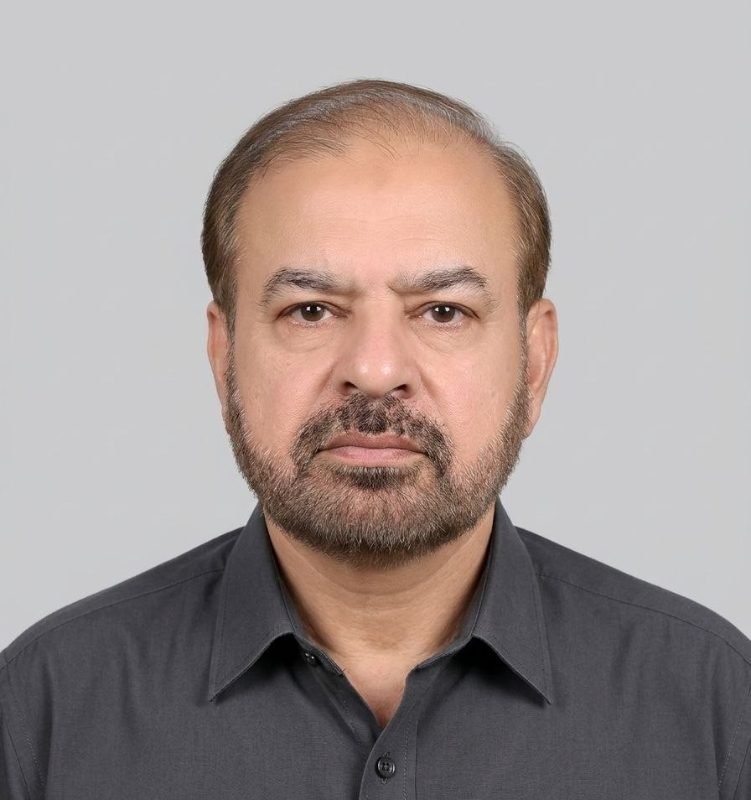
Sheikh Jawed Iqbal
Director (Academics) IIISRLeading institutional academic affairs, residential administration, curriculum scheduling, and mentoring student cohorts across foundational programs.
Our Vision
"To be an esteemed centre of authentic Islamic knowledge, linguistic excellence, and scholarly inquiry that inspires intellectual leadership and ethical consciousness in the light of the Quran and Sunnah."
We envision an educational environment where Islamic sciences, classical Arabic, and contemporary social sciences are pursued with depth and contextual clarity, preparing researchers who contribute constructively to India's pluralistic society.
Our Mission
Translating higher research objectives into structured educational pathways:
-
Providing structured higher Islamic education grounded in primary sources and traditional scholarship.
-
Equipping madrasa graduates with academic English writing, phonetics, and contemporary social science research tools.
-
Facilitating college graduates with direct textual access to classical Arabic, Hadith hermeneutics, and Islamic jurisprudence.
-
Encouraging cross-maslak academic harmony, objective comparative religion analysis, and mutual understanding.